Ò°ÀÇÉçÇø research reveals how global laws can give workers real power
A new study in the has revealed that European ‘due diligence’ laws designed to make multinational companies accountable for labour and environmental abuses are beginning to give a voice to some of the world’s most vulnerable workers.
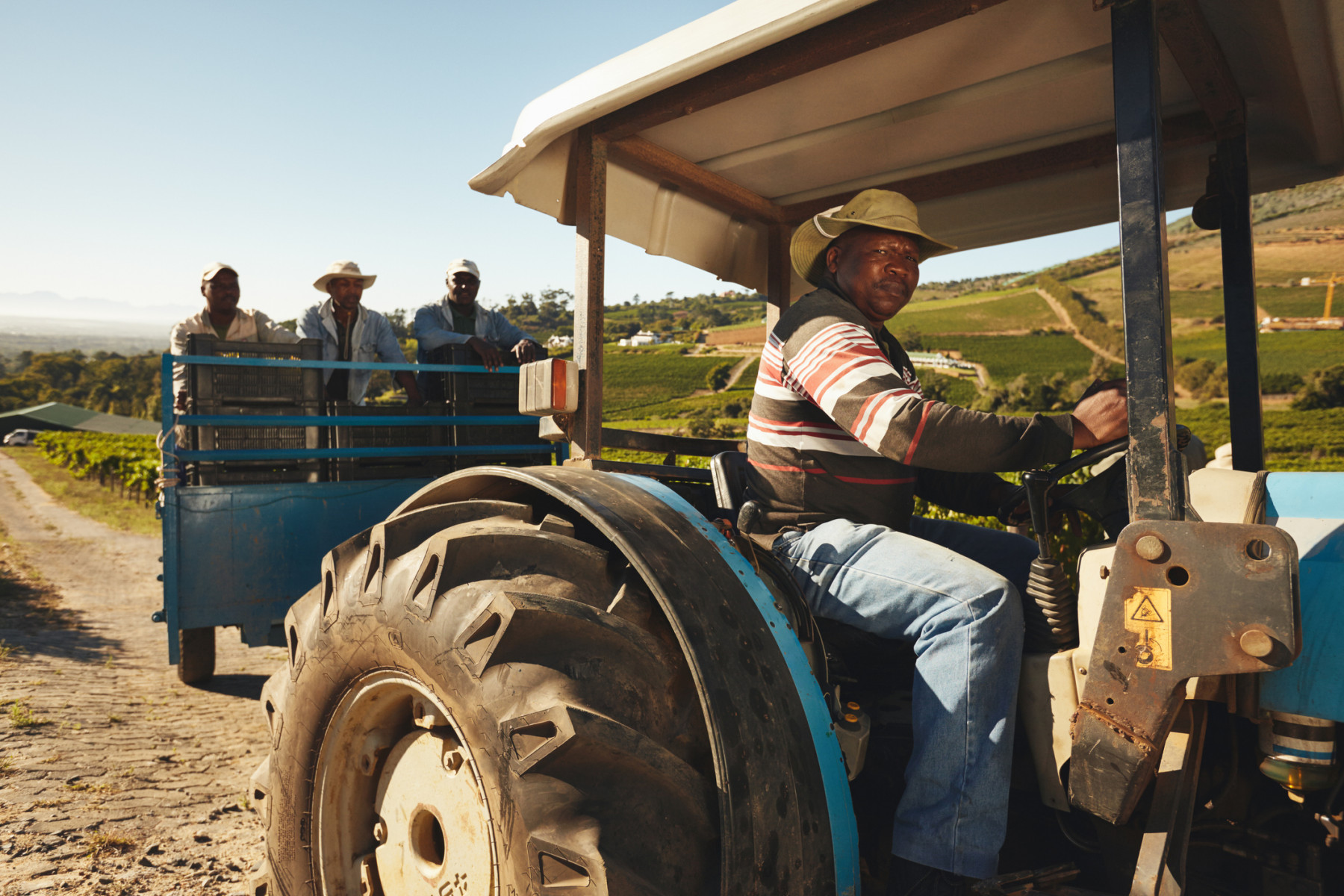
Focusing on South Africa’s wine industry, the research - led by Professor Matthew Alford from The University of Ò°ÀÇÉçÇø’s Alliance Ò°ÀÇÉçÇø Business School, in collaboration with colleagues from the University of Cape Town, University of Wurzburg and TIE Germany - found that farm workers and local unions are using Germany’s Supply Chain Due Diligence Act to push for better working conditions and corporate accountability.
The 2023 law requires German companies to ensure human rights are respected throughout their global supply chains - from vineyards in the Western Cape, to supermarket shelves in Berlin.
The research team discovered that South African trade unions and community organisations have started invoking this legislation to open direct talks with farm owners and European retailers. In one case, the Commercial, Stevedoring, Agricultural and Allied Workers Union (CSAAWU) used the new law to press a local wine farm to address dangerous working conditions.
“Workers were suffering back injuries, lacked clean drinking water and were exposed to pesticides,� said Dr Alford. “By referencing the new German law, local organisers were able to secure regular meetings with management - something that hadn’t happened before - and win concrete improvements.�
These changes included safer equipment, better sanitation and running water for workers’ homes. According to one union organiser interviewed for the study, “For many of the workers, it is the first time ever that they sat at the table and had a discussion with a white person…in the beginning, the workers were a bit shy but once they saw that the management would actually listen to them and even respond to their demands, they got very confident.�
The research also highlights how South African campaigners are using the same laws to challenge European chemical companies which export pesticides to the country that are banned in the EU. The Women on Farms Project has joined forces with German partners, including Oxfam Germany, to explore using the legislation to seek compensation and push for stricter oversight.
The study demonstrates that the laws are opening up new possibilities for workers thousands of miles away from Europe to hold powerful companies to account, but it also shows how their effectiveness depends on awareness, solidarity and cross-border cooperation. It also warns that while Europe’s new regulations hold promise, they are still at an early stage and risk being weakened by political pushback.
If properly implemented, the laws could transform the way we think about global trade and fairness - but if watered down, they’ll be another missed opportunity for justice.