Nature as therapy: research shows how the outdoors can help us to heal
Nature-based therapy may help people to find hope, meaning and a deeper sense of connection, according to new research from The University of Ò°ÀÇÉçÇø.
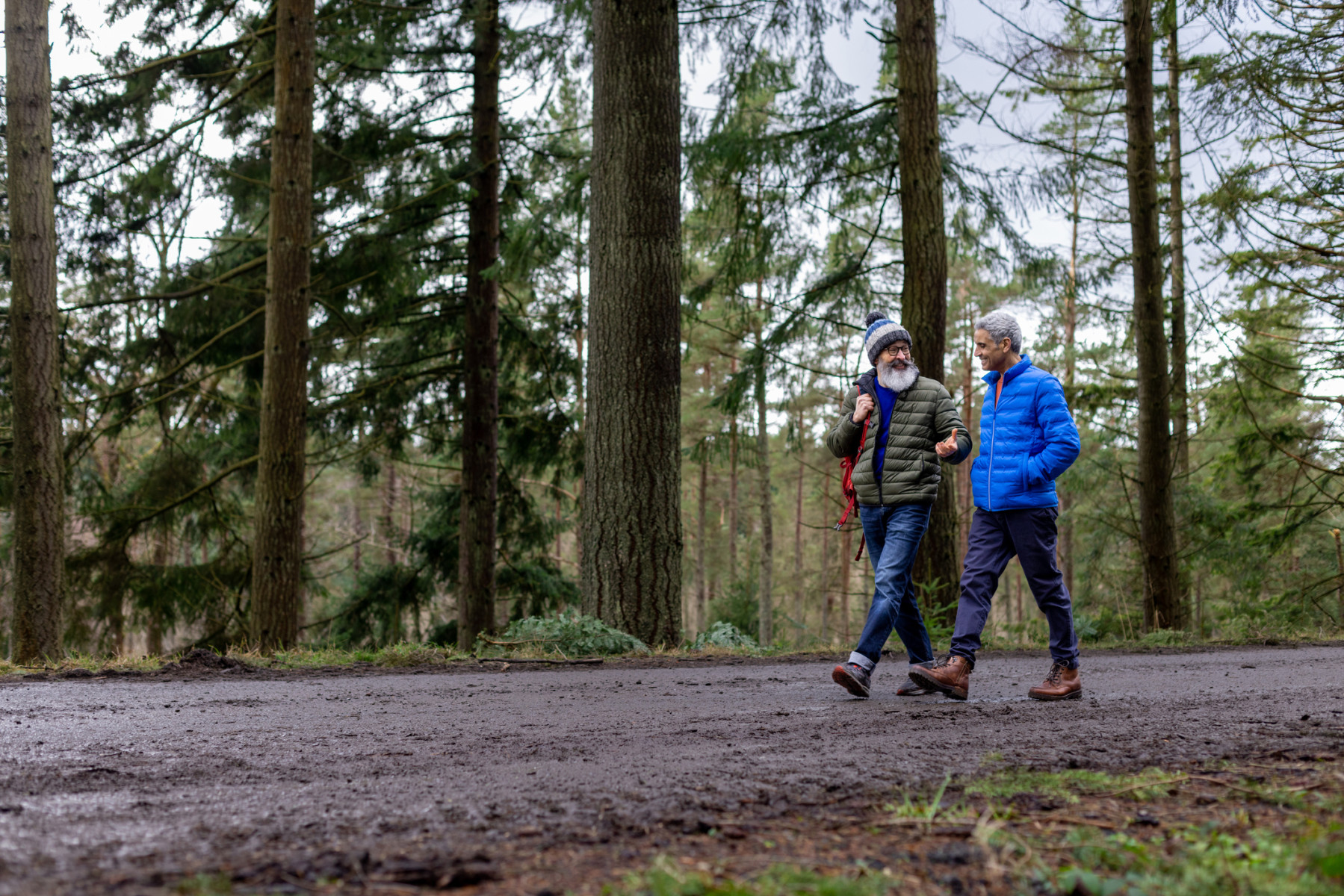
The study - published in journal - examined a form of outdoor therapy called ‘ecotherapy’ which includes activities such as walking in woodland, spending time near water, gardening or sitting quietly in nature with a trained therapist. By reviewing studies from around the world, the researchers explored how people described their most meaningful moments during these experiences.
Many people spoke about moments in nature that helped them process pain, let go of the past and rediscover a sense of purpose. Rather than techniques or theories, participants described simple experiences - watching trees grow and decay, feeling the wind on their face or sitting quietly in a forest and feeling part of something larger.
Some described nature as a mirror for their own lives. Seeing natural cycles of growth and renewal helped them accept difficult experiences and feel more present. Others spoke about a strong sense of connection and belonging which brought comfort and made personal problems feel more manageable.
Importantly, these experiences were not linked to religion - people from different backgrounds described spirituality in their own words, focusing on connection, awe and meaning rather than belief.
The study suggests these moments can have lasting effects, helping people accept themselves, release emotional pain and find new direction. At a time of widespread anxiety about the future, the study highlights how connecting with nature may support mental health and foster hope.
Ecotherapy does not replace traditional talking therapies, but the researchers say it may offer something different - space, perspective and a reminder that people are part of a wider living world.
Many people told us that being in nature helped them see their lives differently - simple moments like watching trees grow, decay and renew gave them permission to accept change, pain and uncertainty, while feeling present and connected to something bigger than themselves.
“At a time when many people feel overwhelmed or anxious about the future, these experiences often helped people reconnect with hope and a sense of purpose.�
“This research shows that therapy doesn’t always have to happen in a room,� said co-author Professor Terry Hanley. “For some people, being outdoors creates the space they need to reflect, heal and move forward. As mental health services face growing demand, nature-based approaches could be a valuable part of a wider, more humane response to wellbeing.�
DOI: