
What happens when local voices shape global challenges?
Ideas at Work explores how humanities research creates change in the world around us. This story follows how research on disaster recovery and scholar activism is helping shape conversations, policy and support for those experiencing hardship.
At a glance
Research team
Discipline
School of Arts, Languages and Cultures
Humanitarian Conflict and Response Institute
Partners
Accountability Lab, Nepal
The question: What happens when local voices shape global challenges?
Navigating disaster across the world can raise several questions, including whose voices should shape disaster governance. This research aims to make disaster governance more inclusive and accountable by strengthening the role of civil society in disaster recovery and how grassroots activism can influence disaster policy.
The idea
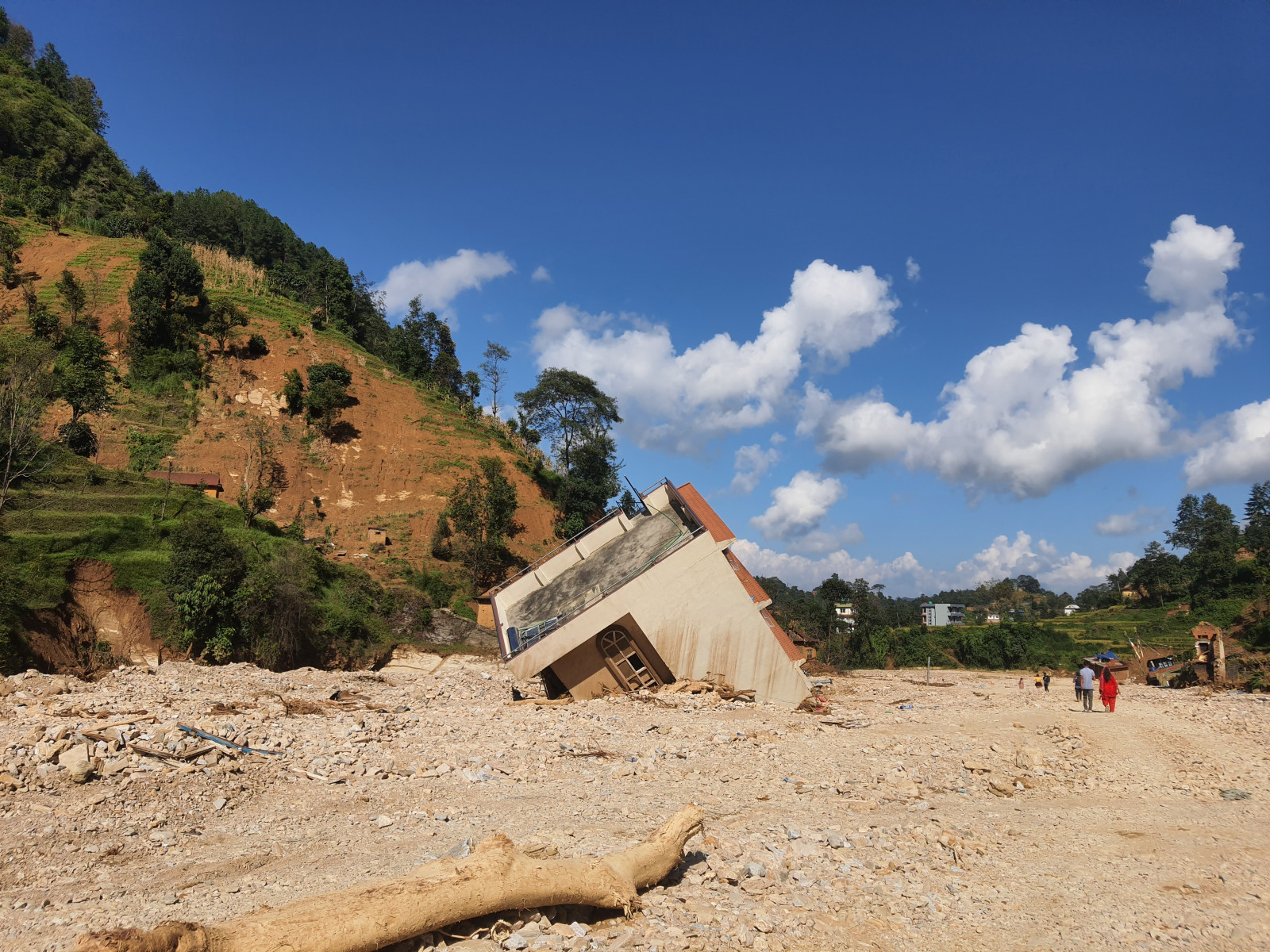
The research explored how people affected by disasters can have a stronger voice in decisions about recovery and rebuilding. Focusing on Nepal, the study looked at how communities, civil society activists and campaign groups responded to the 2015 earthquakes, the COVID-19 pandemic and the 2024 floods. Dr Dhungana has developed a longer-term research relationship to examine the barriers that prevent local people from influencing recovery efforts and has explored ways to improve accountability, participation and fairness in post-disaster recovery and reconstruction. The thinking behind this? These policies and programmes will be more effective and equitable when approached from a rights-based perspective and shaped by the people most affected by them.
The close partnership built with activists and community organisations on the ground for many years allowed this research to be shaped from the inside rather than the outside looking in. The research used social science and humanities-based methods, including ethnographic observation, collaborative workshops and community discussions, to understand people's lived experiences of disaster and recovery. The findings helped create the Just Recovery framework, which puts human rights, social justice and local voices at the centre of rebuilding efforts, with lessons that can be applied beyond Nepal in countries including Liberia, Pakistan and South Africa.
We know that disaster does not affect everyone equally; there is an uneven impact of disaster. Often, marginalised communities disproportionately bear the burden of disaster. So, the idea of recovery in practice is really to come up with interventions for the post-disaster phase, whether that鈥檚 how you communicate with communities in terms of risk or early warning, or how you design post-disaster housing reconstruction. That puts social justice at the heart of the reconstruction process.
Working alongside communities
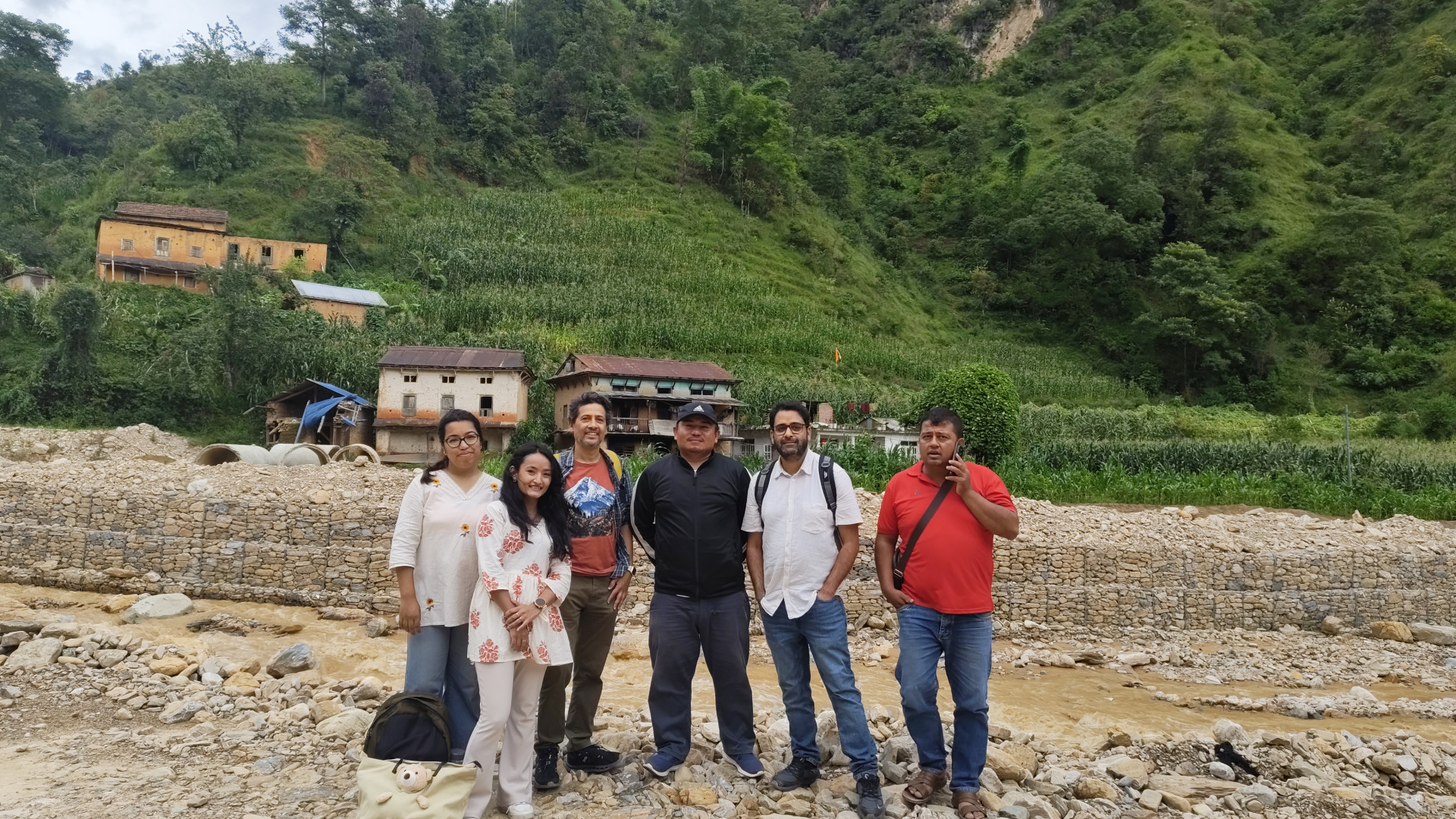
The project brought researchers together with civil society organisations, policymakers and local communities affected by disasters in Nepal.
Key partners included Accountability Lab, a group supporting local changemakers within communities to develop creative ideas around governance issues, and its network of activists, who develop practical approaches to improving accountability in disaster recovery. Participants included community members with lived experience of the 2015 earthquakes, the COVID-19 pandemic and the 2024 floods, whose perspectives helped shape the research findings.
The project also engaged government officials and disaster management stakeholders, using workshops, policy discussions and public hearings to help ensure that evidence from communities could inform decision-making in recovery contexts.
Every major disaster triggers a public search for a physical cause. But framing devastation purely as a natural event is a narrative that authorities can find convenient, since it shifts blame away from decisions they made and the accountability that might follow.
From research to impact
Research and evidence gathering: The project worked with communities affected by earthquakes, floods and COVID-19 in Nepal to understand barriers to participation and accountability in disaster recovery.
Knowledge exchange and collaboration: Researchers, activists and practitioners co-produced evidence and developed the Just Recovery framework, sharing findings through workshops, community discussions and policy roundtables.
Supporting advocacy and practice: Accountability Lab and its partners used the research to strengthen their advocacy for more inclusive, rights-based approaches to disaster recovery and governance.
Influencing wider change: The findings informed discussions with policymakers and practitioners in Nepal, while lessons from the project are being shared through Accountability Lab's international network in Liberia, Pakistan and South Africa.
The difference it made
- Supporting young activists and civil society organisations: The research helped Accountability Lab identify evidence-based ways to improve citizen participation and accountability in disaster response and recovery. The findings are being used to strengthen advocacy efforts in Nepal and are informing Accountability Lab's work in Liberia, Pakistan and South Africa.
- Building networks: Through the co-production of research, the project strengthened the skills and connections of local researchers, activists and practitioners working on disaster governance and migration issues. It also helped Accountability Lab expand its relationships with government agencies and migrant rights groups.
- Giving communities a stronger voice: Public hearings in the districts of Banke and Kavrepalanchok brought together many voices, including migrants, local government representatives, NGOs and media organisations. These events created opportunities for community members to raise concerns and share their experiences through local media coverage.
- Influencing policy and public debate: The project promoted the Just Recovery approach, which places social justice, human rights and community participation at the centre of disaster recovery. Its findings have informed discussions among policymakers and are contributing to wider conversations about disaster risk reduction, climate justice and local democracy in Nepal and beyond.
Ideas at Work
Through long-term collaboration with communities, activists and policymakers, the research has not only deepened understanding of disaster recovery but also helped strengthen advocacy and improve accountability in practice. By showing how local knowledge and lived experience can shape more just and effective recovery efforts, the project has generated benefits for many in Nepal and beyond. It is a powerful example of how humanities research can help tackle real-world challenges and support fairer, more inclusive societies.