MIB researcher awarded BBSRC fellowship to advance carbon鈥慹fficient biomanufacturing
Dr Micaela Chac贸n, a post-doctoral researcher at the 野狼社区 Institute of Biotechnology (MIB) has been awarded a prestigious fellowship from the Biotechnology and Biological Sciences Research Council (BBSRC).
Micaela is among recognised for innovative research addressing key challenges in the UK bioeconomy. Her project focuses on the persistent loss of carbon as carbon dioxide during microbial metabolism, which places a ceiling on product yield and affects both the sustainability and commercial viability of bio-based manufacturing.
Improving carbon efficiency in microbial manufacturing
Microbial platforms are widely used to produce fuels, chemicals and materials from renewable feedstocks. However, much of the carbon consumed by microbes is lost as carbon dioxide during metabolism, limiting carbon efficiency and contributing to emissions. Micaela鈥檚 research aims to tackle this challenge by exploring mixotrophy, a metabolic mode in which microbes can use both organic carbon sources and carbon dioxide at the same time.
By co-assimilating CO鈧� alongside sugars or waste-derived feedstocks, mixotrophic microbes have the potential to retain more carbon within the production process. This could improve product yields, reduce emissions, and make biomanufacturing more economically viable.
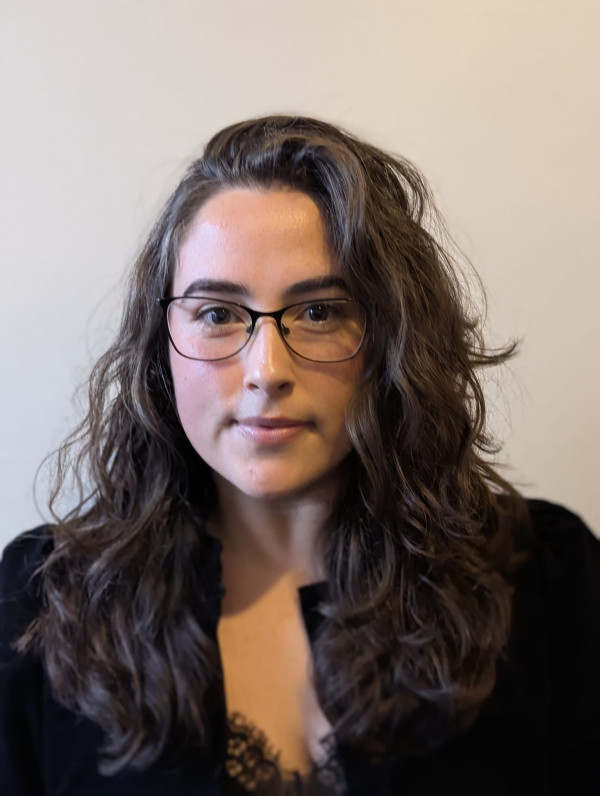
I鈥檓 delighted to receive this BBSRC Fellowship. Carbon loss is often treated as an unavoidable part of microbial production, but I think we should be asking whether nature has already evolved better ways to retain it. I鈥檓 excited to have the opportunity to explore that question across diverse microbes and use what we learn to rethink how production organisms are selected and evaluated.
Supporting a more sustainable bioeconomy
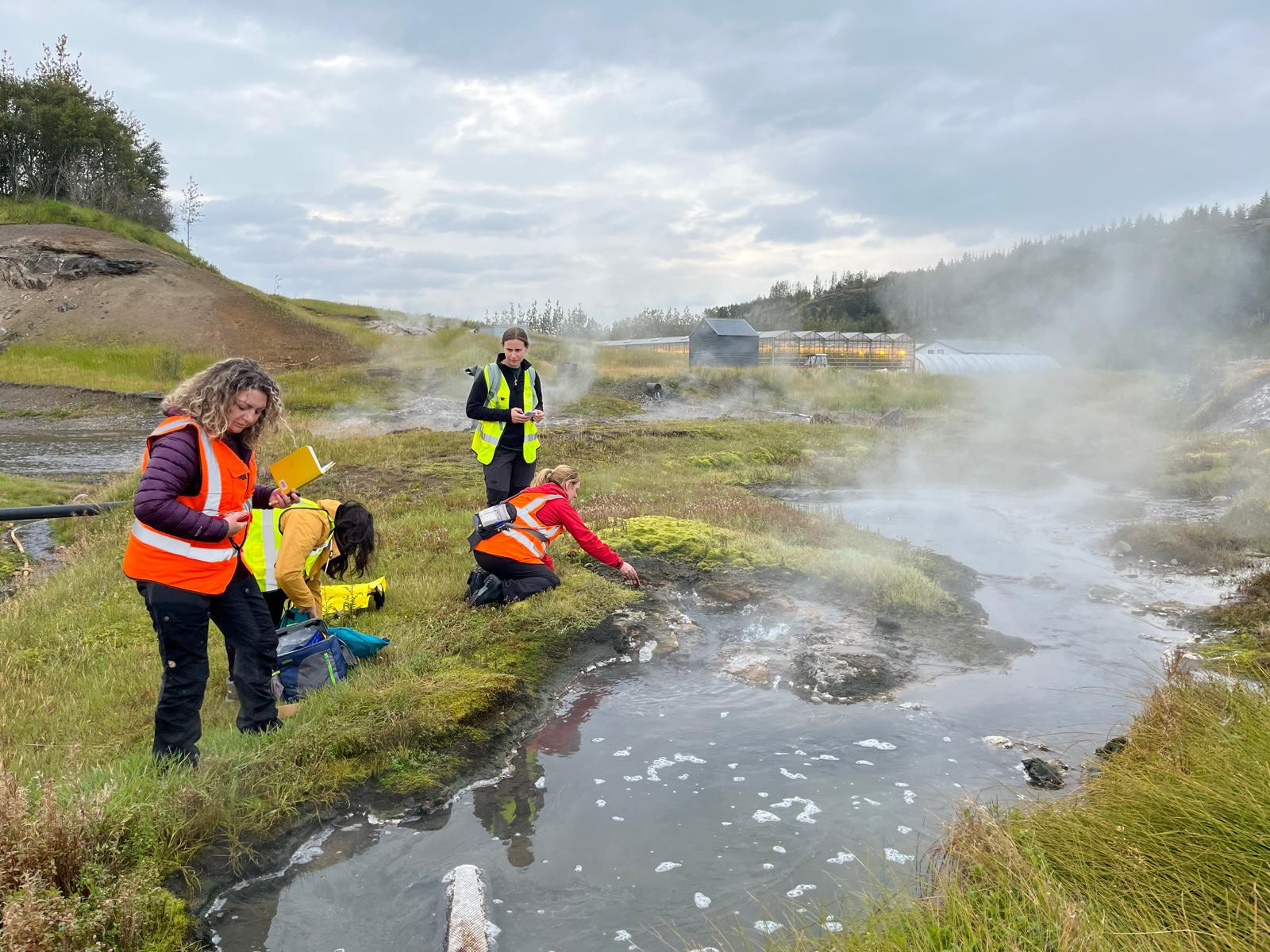
Despite its promise, the diversity and efficiency of mixotrophic metabolism remains poorly understood, and its potential is largely underutilised in biotechnology. Through her fellowship, Micaela will investigate this metabolic capability in greater depth, identifying and characterising new microbes capable of efficient carbon co-assimilation. Her work will focus on organisms found in high-CO鈧� volcanic soils, using advanced genomic, cultivation and analytical approaches to uncover and evaluate previously untested strains. This interdisciplinary programme will be hosted by Professor Sophie Nixon and draw on continued collaborations with Professor Neil Dixon, the University of Iceland and the Technical University of Denmark.
The project will generate new insights into how carbon flows through microbial systems and identify strains with strong potential for industrial application. By defining the conditions that maximise carbon retention, the research will establish a comparative framework for designing next-generation low-emission bioprocesses.
This fellowship strengthens MIB鈥檚 role in developing sustainable biotechnology solutions, contributing to efforts to reduce industrial emissions and support a circular, carbon-efficient bioeconomy.